Showing posts with label Development Technology. Show all posts

Sunday, October 3, 2010

Mobile Wind Turbine

Pope Design created The Mobile Wind Turbine, which would allow electricity creation in rural and hard to reach regions of developing countries. It can also be used for natural disaster relief for floods and hurricanes, providing electricity for rescue efforts.

I think the use of mobile solar trucks, such as the Sequoia, are better than mobile wind turbines because there is always sun shine, but wind turbines are only very successful in windy areas such as shores and coasts. It is still an amazing concept though.


Source: [Inhabitat]

Monday, September 27, 2010

Kno: The Digital Textbook


Tired of paying hundreds of dollars for school textbooks? Well the Kno is attempting to solve that problem with an iPad like device used for student purposes. After receiving $46 million in funding, Knowledge Now is beginning to release it's product. It is comprised of notebooks, and textbooks, and class readings. This device will drastically lower the cost of textbooks while saving countless school children's backs from heavy backpacks.


The Kno is scheduled to be released by the end of 2010. But will Kno make an iPad app, allowing students to use iPads for school use, or will Kno force schools to use their product?

Sources: [Engadget] [CrunchGear] [TechCrunch] [TechCrunch 2]

Friday, September 24, 2010

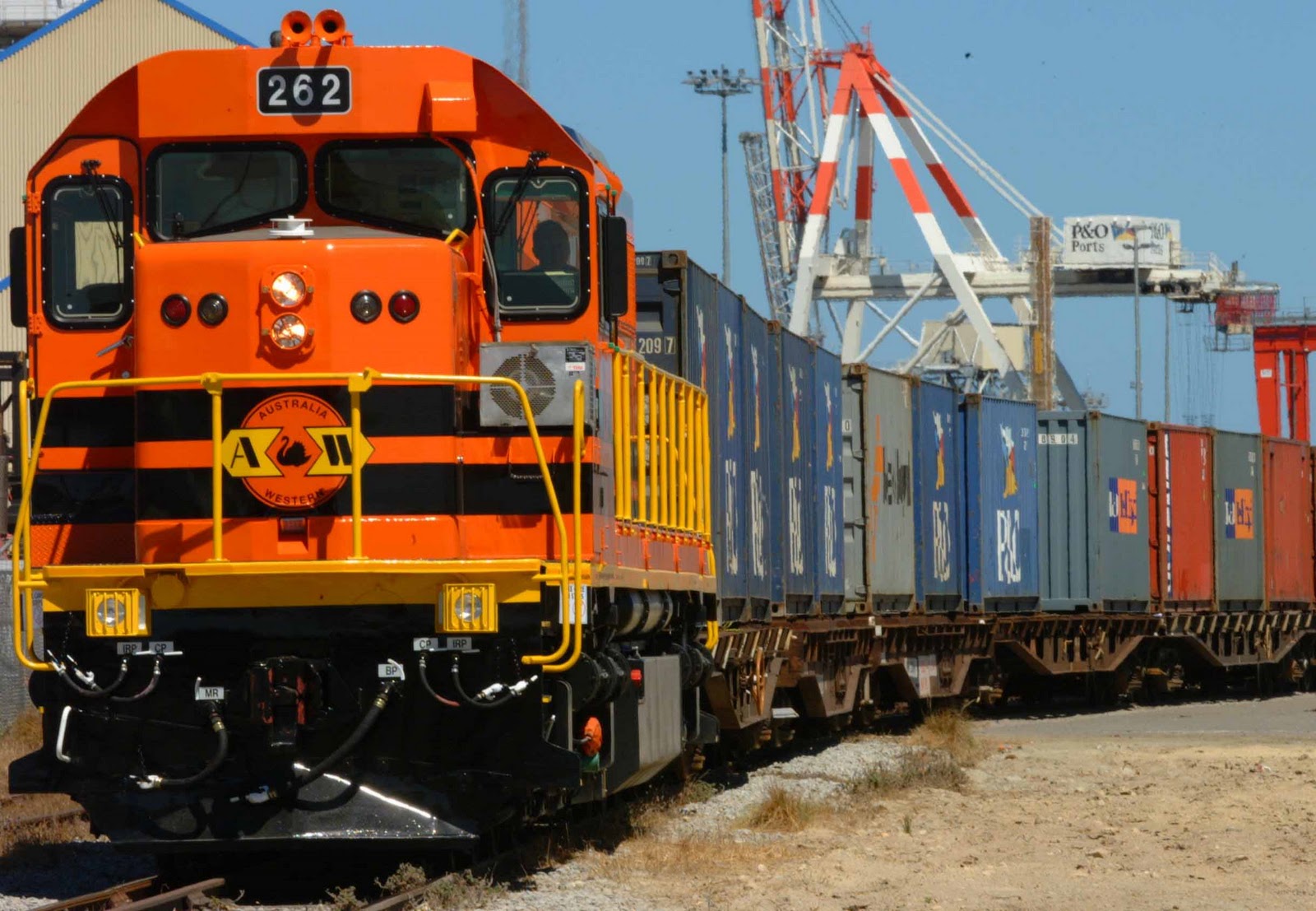
The Development Train

For the past 150 years, trains have been used to develop nations by allowing the transfer of goods from rural areas in to urban markets, allowing economies to develop. Historically, colonial trains built in Africa and India allowed the Europeans [British, French, Dutch...] to take advantage of third world by pillaging natural resources from rural areas.

The goal of the development train is to provide electricity, telephones, internet access, and purified water to rural areas of developing nations. The development train wants to rebuild old third world train lines that currently carry goods and precious materials and transform the train lines into tools for economic development.

By enhancing the transportation abilities of peoples and goods, the development train is helping the local government's ability to control rural and forgotten areas. A train system that provides utilities is a powerful tool for changing rural living in poor nations, allowing the government to reach more people, eventually leading to official census information and the ability of proper taxation infrastructure to develop.

Solar Energy:
The trains themselves have two separate solar energy uses. The first use is on top of each of the train cars, [like the Italian Solar Panel PV Trains] creating power for inside the car lighting, refrigeration of perishable goods (perfect for rural markets sending agricultural goods to urban centers) and to help lower the amount of energy needed to power the electric trains.

The second set of solar panels will be located on the tracks themselves. These panels are meant to absorb energy when there is no train around, creating new forms of electricity for rural areas [Aiding the Efforts of Solar Aid] that previously had poor power infrastructure. Imagine miles of solar panels stretch across entire deserts and nations. The energy created by these track solar panels can help create stronger and more dependable energy grids in these regions.

Electronic Development:
Three feet beneath the train tracks, a few feet to the right from the tracks themselves, lies a canal of fiber-optic wires meant to bring telephone communication, internet, and electricity from urban centers into rural areas. Telephones are important to rural development as it allows for greater communication between producers and sellers. The internet is important for rural areas as it grants access to farming and weather information, and it is an amazing tool for education purposes. Electricity is of course necessary to power the growth of new rural businesses and markets.

Purified Water:
Instead of having children walk over 20 miles to drink polluted water, the development train brings purified water to rural areas. Water pumps would be placed along the sides of tracks every few miles in order to allow for equal access to clean drinking water for rural communities.

This water would be pumped through the train water pipes from water purification factories set up near coasts and rivers, and water pump usage would be carefully monitored.

Oil Transfers:
Using the idea from the Asia High-Speed Train, the development train can also be used to as a vehicle for oil and gas transportation. As oil producing nations get rich off exporting oil, it would be more beneficial for economic development if these nations shared and transfered this oil to surrounding poorer nations. For example, most nations that export oil cannot refine it and end up importing gasoline. Wouldn't it be better if a oil rich nations start exporting oil to a neighboring country that then could invest in gasoline refinement to sell back to the oil producing nations.


[Oil Rich Nation]                                         [Neighboring Poor Nation]
----------------------- OIL ---------------------------->
<---------------- GASOLINE ------------------------


The oil from the oil rich nation would use the development train oil pipes to send oil to a poor neighboring nation, who now specializes in oil refinement into gasoline. Then the poor country would send gasoline back to the oil producing country through the same development train piping, creating a cooperation regional system of utility trade and ending western dominance in the gasoline refinement.

Rural Market Creation
The development train would also cause major rural markets to be developed along all the train stops and water pump locations. For example, a rural fruit vendor moving to a development train stop would have access to:

- clean drinking water
- electricity for food storage, refrigeration, and lighting
- a train to place goods on and sell to urban markets
- telephones and internet

It would be impossible to keep people from moving in around these areas and rural markets would start to develop as the development train line carries goods and economic opportunity. These new rural markets hopefully would slow down urbanization in cities that have more residents than jobs and create new rural opportunities as well.

Micro lending will be important to funding rural market creation, but the Development Train would provide the tools and utilities necessary for market creation.

Thursday, September 23, 2010

Water Technology: Purification + Boots Protect Against Disease

Life Sack - Water Purification Sack


The life sack allows men and women in developing countries with poor water infrastructure to simultaneously collect and purify their water in one trip. Go here to read more: [Inhabitat]


Rain Boots that Measure Water Levels
These boots are perfect for nations plagued by monsoons, healthcare organizations dealing with floods and natural disasters. [Boing Boing]


----------------------

Saturday, September 18, 2010

Documentary: The Colony - A look at China in Africa

In the Post-Cold War World, China has become an influential and major player in global politics and geo-national projects. Al-Jazeera showed a documentary called the "The Colony" that illustrates China's relationship with Africa.


Most of the OE Technology articles involving China have been about manufacturing green technologies faster than anyone else in the world. Today's video is about globalization and war of international influence. The introduction technologies into new global markets [either for profits or development] is a subject that needs to be closely watched in order to avoid unfair Washington Consensus pillaging and international dumping.

Sources: [Boing Boing] [Al Jazeera - English]

Wednesday, September 8, 2010

Andrew Maynard's Corb v2.0 - Rethinking Housing


OE Tech has already shown you photos of how dumpsters can be turned into eco friendly pools, but today we suggest that storage containers would make great apartments/dorm room singles. Andrew Maynard's design for container living pushes the boundaries living and apartment pricing. Imagine coming home from work and your apartment just moved from the 1st floor to the 5th floor. It is an interesting idea

"It is everything Archigram was forty years ago; an exciting, original revisit of how we treat where we live, how we define real estate. Imagine moving our houses around according to our activities, our whims, our friends, our crying babies. Imagine everyone being the penthouse and the next day being on the ground floor..."

The "Party Configuration," shown below, is by far the best configuration. To live on the waterfront, and have a possible backyard to party on, I would live there, especially as a recently graduated college student. I really like the party configuration, but I'm not okay with having a crane move my apartment, possibly with me in it.


Source: [TreeHugger]

Saturday, September 4, 2010

Recycling 4.0 - Dumpster Swimming Pools

Marco Sea turns old dumpsters into swimming pools on Park Ave. [NYC]

"... the New York City Mayor’s Office and the Department of Transportation invited them to participate in NYC’s Third Annual 2010 Summer Streets event. Hundreds of New Yorkers dumpster dove (literally) in Macro Sea logo-emblazoned pools and hung out at the surrounding “lo-fi country club.” Lined up along Park Avenue and decked out with all the trimmings you would expect a real pool to have (safety railings, depth indicator signage, and even lifeguards, you could hardly recognize these big, red former trash receptacles..."


Sources: [Inhabitat] [H2O Visions]

How To Build a BBQ from an Altoids Sour Can [instructables.com]

For Full Instructions: Click Here


Sources: [Instructables.com] [Boing Boing]

Thursday, September 2, 2010

Maya Pedal - Making Rural Farm Equipment in Guatemala

Maya Pedal is an amazing NGO that uses old bikes and turns them into farming equipment for rural farms. This Guatemala based NGO is changing lives.


Source: [BoingBoing]

The Pros and Cons of Solar Energy


Now that four US states get 10% of their energy from solar power, it is clear that solar energy is picking up some steam as a considerable future energy source. But there have been some critics of solar who argue that individual solar panel units are not worth the bang for their buck.


Solar Criticisms:
  • The process of producing solar panels can be harmful to the environment and releases a large quantity of CO2 emissions.
  • Solar panels are only 12% efficient. [SolarExpert]
  • Government "feed-in tariffs" for solar energy and other micro-renewables  are not as effective in lowering CO2 emissions as other forms as subsiding, "an army of caulkers, insulators and energy auditors to descend on every home..." to make every house as energy efficient as possible. [TreeHugger]

Recent Solar Advancements: 
  • As most solar plants are in desserts, dust can be a major problem. Scientists have developed a self-cleaning coating for solar panels, used on the Mars Rover, that uses a electrically sensitive material deposited on glass or transparent plastic sheets and sensors to monitor dusk levels. When dust levels get too high, an "electric charge sends a dust-repelling wae cascading over teh surface of the material, lifting away the dust and transporting it off," the panels. [TreeHugger]
  • Photon enhanced thermionic emission [PETE] cells, developed at Stanford University, allow solar panels to harness light and heat from the Sun simultaneously, which could double the current rate of solar panel efficiency. [Engadget]

Social Advancements Due to Solar Energy:
  • MORE JOBS. England's first utility-scale solar plant was just announced, highlight government support for the solar industry. This government support has allowed Solarcentury, Britain's largest solar company, which was able to hire 150 new employees. [TreeHugger]

Development Achievements Due to Solar Energy:
  • SolarAid is an amazing organization that has been bringing solar power to rural Africa through micro-lending, giving villages and schools electricity for the first time. [TreeHugger]


-------------------------------------------------

Wednesday, September 1, 2010

Nano Water Purification


Developed at Stanford University for developing countries, this new water filter system uses nano sized silver wires and copper tubes, dipped in cotton, to block bacteria 80,000 times faster than any other filter.


Source: [Inhabitat]

Monday, August 30, 2010

Monday, March 1, 2010

This Week in the Future - The Practical

i-Tab - The Future of Guitar Tab and Set Lists


Guppie Multi-Tool: The Future of Mountain Climbing Espionage

Joo Joo - The Future of Car Media
The X-Ray Cast - The Future of the NFL

Self-Filtering + Purifying Water Bottle = The Future of Water Security


Tuesday, February 23, 2010

The Dropnet

A water collection system for foggy hillsides to help communities that currently have low water infrastructure.


Source: [Dropnet] [Gizmodo]

Sunday, February 21, 2010

This Week in Solar Technology

MicroEnergy Credits Create Solar Water Heating Systems in Africa

 [Micro Energy Credits]

Possible Solar Fabric - Silicon Nanowire

This silicon nanowire technology could allow for the creation of weaved fabrics that can absorb solar energy. These technology is still in the early phases of development at Cal. Tech. University.

Solar Camels


Sources: [Tree Hugger] [Green Technology] [Tree Hugger]