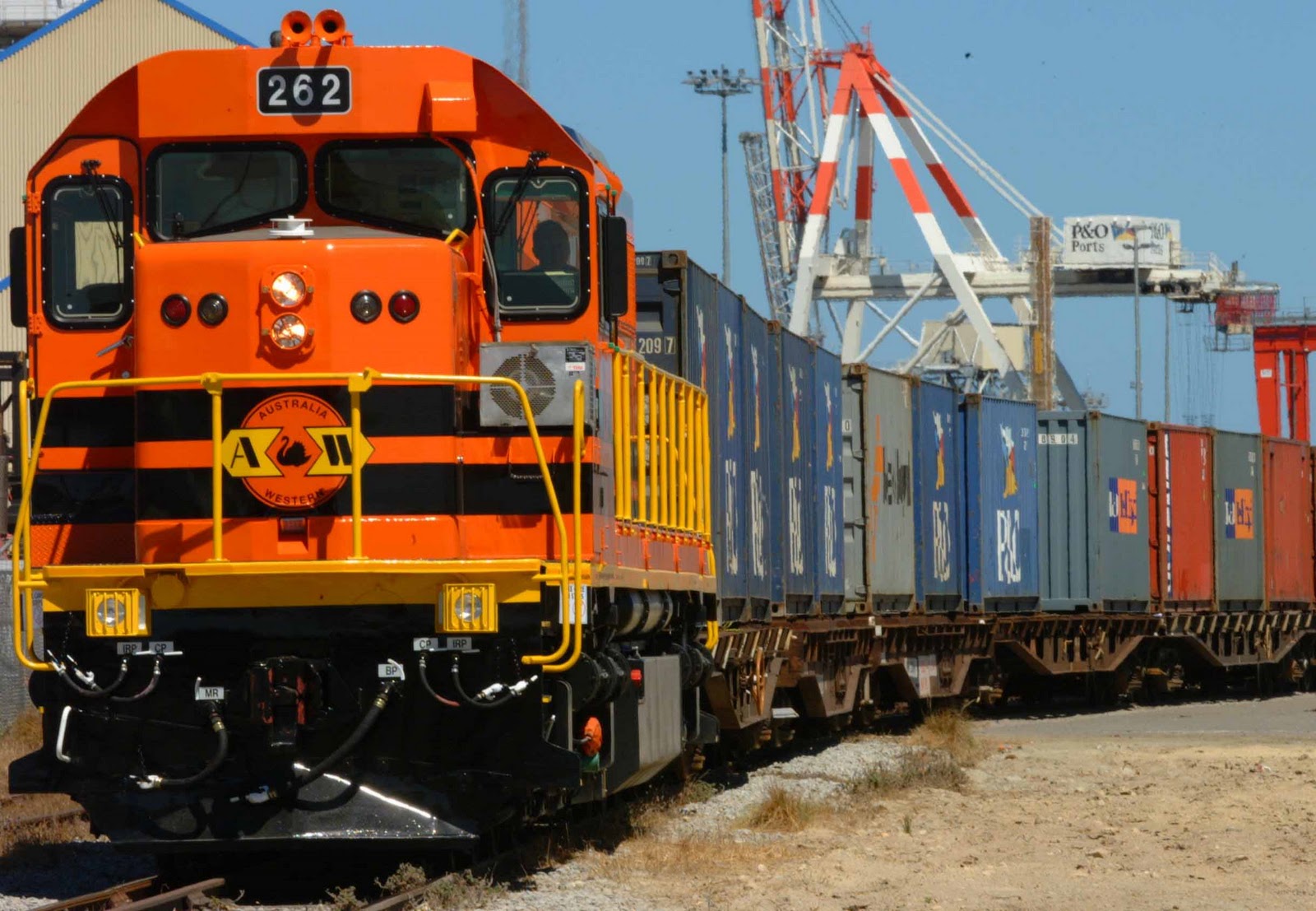
For the past 150 years, trains have been used to develop nations by allowing the transfer of goods from rural areas in to urban markets, allowing economies to develop. Historically, colonial trains built in Africa and India allowed the Europeans [British, French, Dutch...] to take advantage of third world by pillaging natural resources from rural areas.
The goal of the development train is to provide electricity, telephones, internet access, and purified water to rural areas of developing nations. The development train wants to rebuild old third world train lines that currently carry goods and precious materials and transform the train lines into tools for economic development.
By enhancing the transportation abilities of peoples and goods, the development train is helping the local government's ability to control rural and forgotten areas. A train system that provides utilities is a powerful tool for changing rural living in poor nations, allowing the government to reach more people, eventually leading to official census information and the ability of proper taxation infrastructure to develop.
Solar Energy:
The trains themselves have two separate solar energy uses. The first use is on top of each of the train cars, [
like the Italian Solar Panel PV Trains] creating power for inside the car lighting, refrigeration of perishable goods (perfect for rural markets sending agricultural goods to urban centers) and to help lower the amount of energy needed to power the electric trains.
The second set of solar panels will be located on the tracks themselves. These panels are meant to absorb energy when there is no train around, creating new forms of electricity for rural areas [
Aiding the Efforts of Solar Aid] that previously had poor power infrastructure. Imagine miles of solar panels stretch across entire deserts and nations. The energy created by these track solar panels can help create stronger and more dependable energy grids in these regions.
Electronic Development:
Three feet beneath the train tracks, a few feet to the right from the tracks themselves, lies a canal of fiber-optic wires meant to bring telephone communication, internet, and electricity from urban centers into rural areas. Telephones are important to rural development as it allows for greater communication between producers and sellers. The internet is important for rural areas as it grants access to farming and weather information, and it is an amazing tool for education purposes. Electricity is of course necessary to power the growth of new rural businesses and markets.
Purified Water:
Instead of having children walk over 20 miles to drink polluted water, the development train brings purified water to rural areas. Water pumps would be placed along the sides of tracks every few miles in order to allow for equal access to clean drinking water for rural communities.
This water would be pumped through the train water pipes from water purification factories set up near coasts and rivers, and water pump usage would be carefully monitored.
Oil Transfers:
Using the idea from the
Asia High-Speed Train, the development train can also be used to as a vehicle for oil and gas transportation. As oil producing nations get rich off exporting oil, it would be more beneficial for economic development if these nations shared and transfered this oil to surrounding poorer nations. For example, most nations that export oil cannot refine it and end up importing gasoline. Wouldn't it be better if a oil rich nations start exporting oil to a neighboring country that then could invest in gasoline refinement to sell back to the oil producing nations.
[Oil Rich Nation] [Neighboring Poor Nation]
----------------------- OIL ---------------------------->
<---------------- GASOLINE ------------------------
The oil from the oil rich nation would use the development train oil pipes to send oil to a poor neighboring nation, who now specializes in oil refinement into gasoline. Then the poor country would send gasoline back to the oil producing country through the same development train piping, creating a cooperation regional system of utility trade and ending western dominance in the gasoline refinement.
Rural Market Creation
The development train would also cause major rural markets to be developed along all the train stops and water pump locations. For example, a rural fruit vendor moving to a development train stop would have access to:
- clean drinking water
- electricity for food storage, refrigeration, and lighting
- a train to place goods on and sell to urban markets
- telephones and internet
It would be impossible to keep people from moving in around these areas and rural markets would start to develop as the development train line carries goods and economic opportunity. These new rural markets hopefully would slow down urbanization in cities that have more residents than jobs and create new rural opportunities as well.
Micro lending will be important to funding rural market creation, but the Development Train would provide the tools and utilities necessary for market creation.


 The chargers would most likely be GE WattStations. These chargers would be placed at each parking spot, and signs would be up for electric car parking only. There should be incentives to drive an electric car as well, placing electric car parking structures in between handicap parking spots and regular parking, allowing electric car users to park closer to the buildings.